
Cities in Shanxi


Introduction
Shanxi is located in northern China and borders Inner Mongolia, Hebei, Shaanxi, and Henan. The province features mountains, plateaus, and deep river valleys. Shanxi is widely known for its ancient architecture, coal resources, and long history, with a cultural heritage shaped by dynasties, religion, and trade along historic migration and commerce routes.


Taiyuan is located in the center of Shanxi, surrounded by mountains and crossed by the Fen River. The city has a population of around 5 million and sits close to major transportation routes across northern China. Taiyuan has a balanced character shaped by history, industry, and education.
Taiyuan is historically connected to several dynasties and remains an important cultural and political center in the region. The city is known for its heavy industry, energy-related sectors, and research activity. Shanxi University and other institutions contribute to scientific development, while temples, gardens, and historic districts reflect the city’s long timeline of cultural interaction, religion, and governance.
📍 Main places to visit include Jinci Temple, Twin Pagoda Temple, Shanxi Museum, Chongshan Temple, Fenhe Park, Mengshan Giant Buddha.
Taiyuan (太原)
Datong (大同)
Datong is located in northern Shanxi near the border with Inner Mongolia. The city has a population of around 3 million and lies close to mountain ranges and grasslands. Datong has a solemn and historical character, influenced by both frontier culture and early religious heritage.
Datong holds strong archaeological and cultural value. It is widely known for its role as a capital during the Northern Wei dynasty, which left a significant legacy in religious art and architecture. The region continues to develop industries connected to energy, manufacturing, and tourism. Museums, ancient temples, and restored city walls preserve important cultural heritage from different dynasties.
📍 Main places to visit include Yungang Grottoes, Hanging Temple, Nine Dragon Screen, Datong City Wall, Huayan Temple, Shanhua Temple.


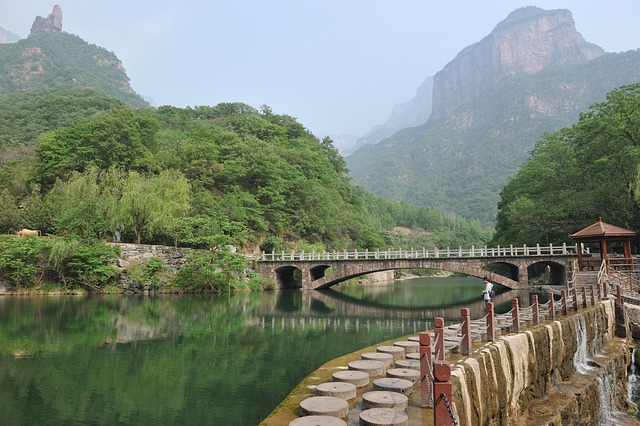

Changzhi is located in the southeastern part of Shanxi, bordered by mountains and river valleys. The city has a population of around 3 million and is connected to nearby regional hubs. Its character combines natural scenery, agricultural development, and growing modern industry.
Changzhi is known for its manufacturing activity, cultural heritage, and preserved ancient villages. It has developing sectors in pharmaceuticals, equipment production, and environmental technology. Archaeological sites, temples, and scenic mountains reflect long-standing settlement and historical continuity.
📍 Main places to visit include Taihang Grand Canyon, Gu Cheng Ancient City, Changzhi Museum, Bailong Temple.
Changzhi (长治)
Yuncheng (运城)
Yuncheng is located in southwestern Shanxi near the border with Shaanxi. The city has a population of around 5 million and serves as a transportation and agricultural center.
Yuncheng is known for salt lake culture, historic temples, and growing industries in machinery and energy. Academic and cultural institutions continue documenting its historical legacy.
📍 Main places to visit include Yuncheng Salt Lake, Guan Di Temple, Wing City Ancient Wall.
Linfen (临汾)
Linfen is located in southwestern Shanxi on an agricultural plain along the Fen River. The city has a population of around 4 million and maintains strong ties to regional farming and trade.
The city is associated with ancient Chinese history, particularly early dynastic origins connected to legendary rulers. While industry has expanded, archaeological discoveries and preserved heritage remain central to its identity.
📍 Main places to visit include Yao Temple, Hongtong Big Pagoda, Guangsheng Temple.


Xinzhou (忻州)
Xinzhou is located in northern Shanxi with a mix of mountains and plains. The city has a population of around 3 million and is well-connected to nearby regions.
Xinzhou is recognized for its religious heritage, traditional villages, and cultural significance. The area preserves architecture and sites related to historic beliefs and local traditions.
📍 Main places to visit include Wutaishan, Yunzhong Mountain, Yanmen Pass.
Jincheng (晋城)
Jincheng is located in the southeast of the province near mountain ranges and mineral zones. The city has a population of around 2 million and has developed around natural resources.
It is known for energy-related industries, preserved courtyards, and temples with long architectural history.
📍 Main places to visit include House of the Huang Family, Jincheng City Museum, Manghe Scenic Area.


Navigation
Main Menu
nathan.china-sphere.com
© 2025. All rights reserved.